
Built around the hours you actually work.
Every specification on this page is taken from our own product listings. Where a figure is not published, we do not print one.
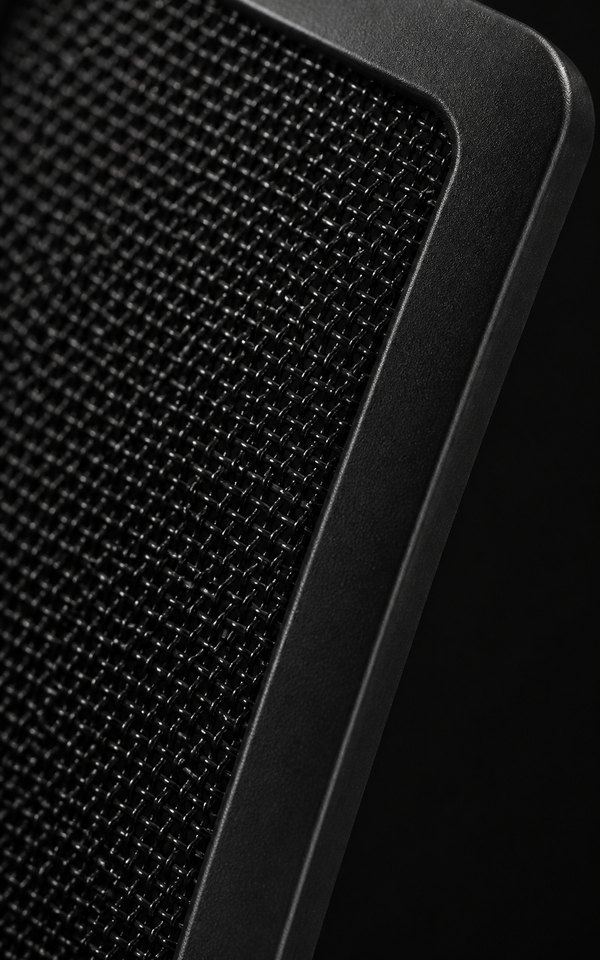
A dual-frame mesh back
Two frames instead of one: the outer frame holds the shape, the inner mesh takes your weight and distributes it across the whole panel. A single-panel back concentrates pressure where your spine meets it, which is what you feel by the fourth hour.
- High-resilience mesh
- Replaceable as a single part
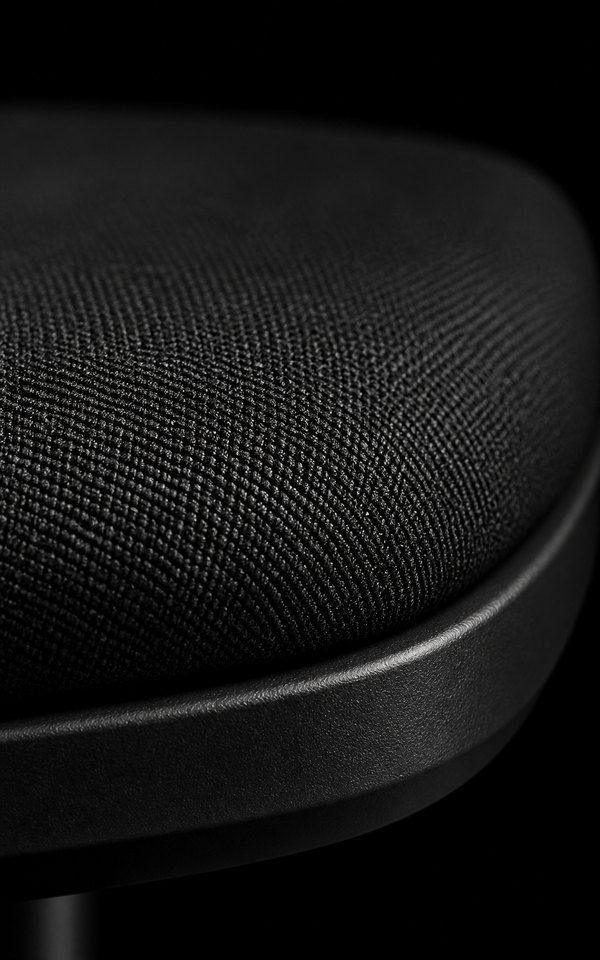
Five positions, each one locking
Recline from fully upright to 135° and lock the chair at any of five angles. Locking is the part that matters: a chair that only rocks asks you to hold your own position, and holding a position is work.
- 90° · 105° · 115° · 125° · 135°
- Five locking positions
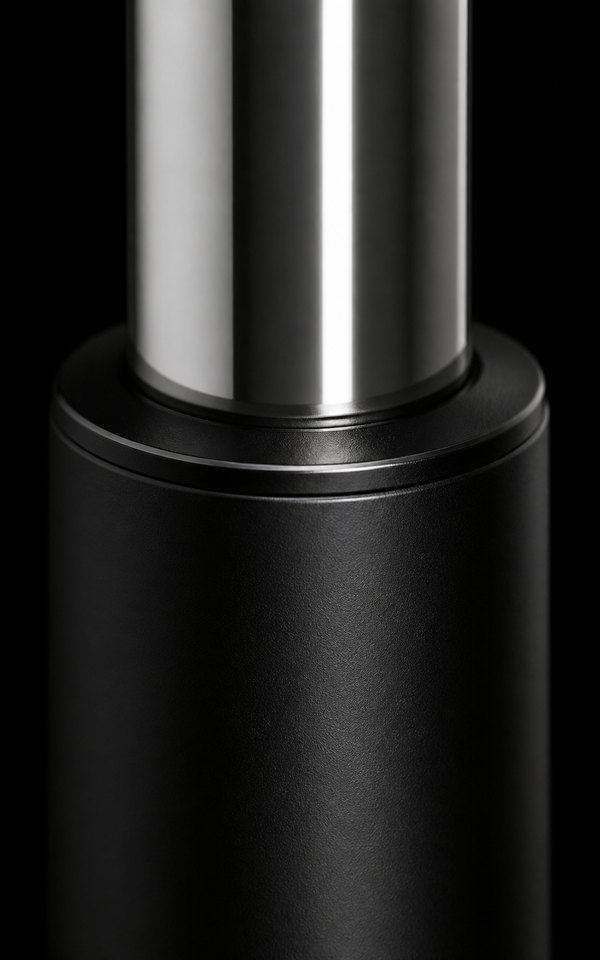
The component that usually fails first
A chair that sinks has a gas lift that has lost pressure. It is the single most replaced component in any office chair, it cannot be recharged, and on most chairs it is the point at which the whole chair gets thrown away. Ours is a stock item.
- 130 kg rating
- 120 mm stroke
- SGS and BIFMA tested
- Class 3
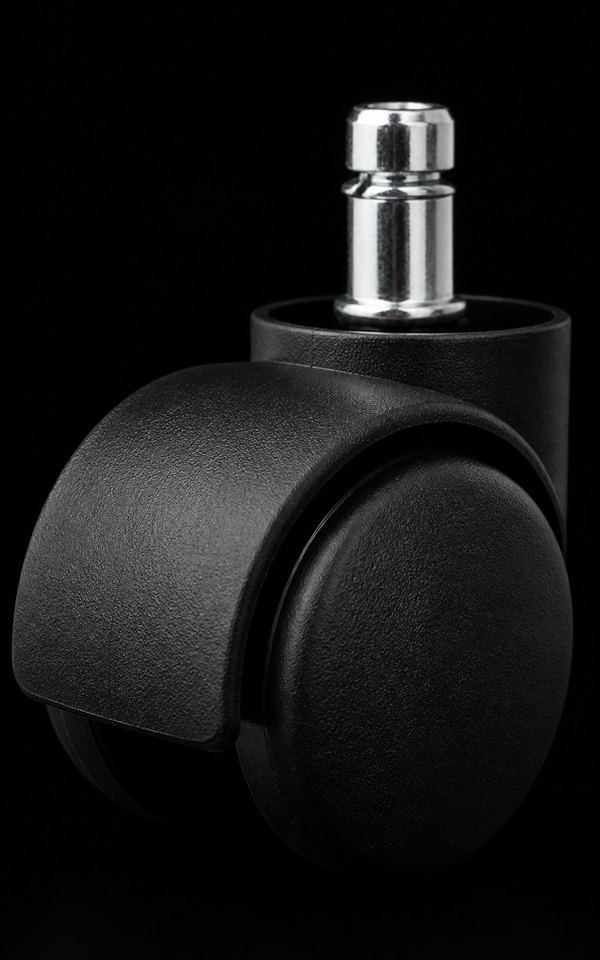
What carries the load
A five-star base spreads weight across five points, and the castors are the only part of the chair in constant contact with the floor — which is why they are the first thing to wear. Both are sold separately and fit without tools in the castors' case.
- Castor set rated 250 kg
- Set of 5
- 26-inch base
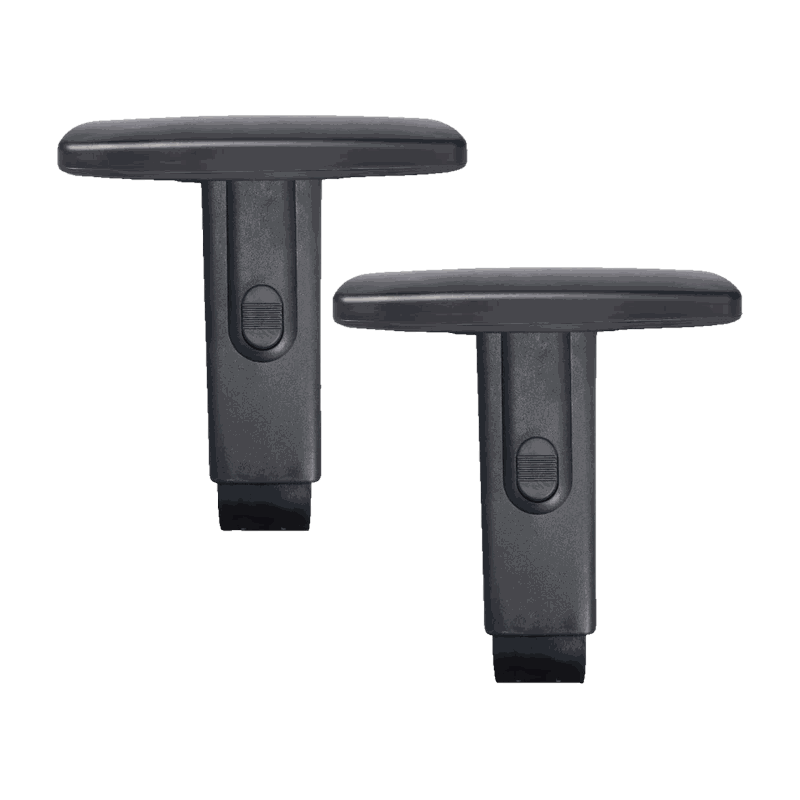
Adjustment where it changes posture
The armrests adjust in three directions and the headrest in four, so the chair can be set to your desk height rather than the other way round. Armrest pads are consumable and sold on their own.
- 3D armrests
- 4D headrest
The chair itself
Full dimensions, materials and what is in the box are on the product page. Warranty cover differs by component — the current terms are on our support page.